


SUSTAINABILITY
Sustainability in natural stone is defined by origin, processing and long-term use. It is a material that remains part of the architecture over extended periods, without the need for replacement or surface renewal.
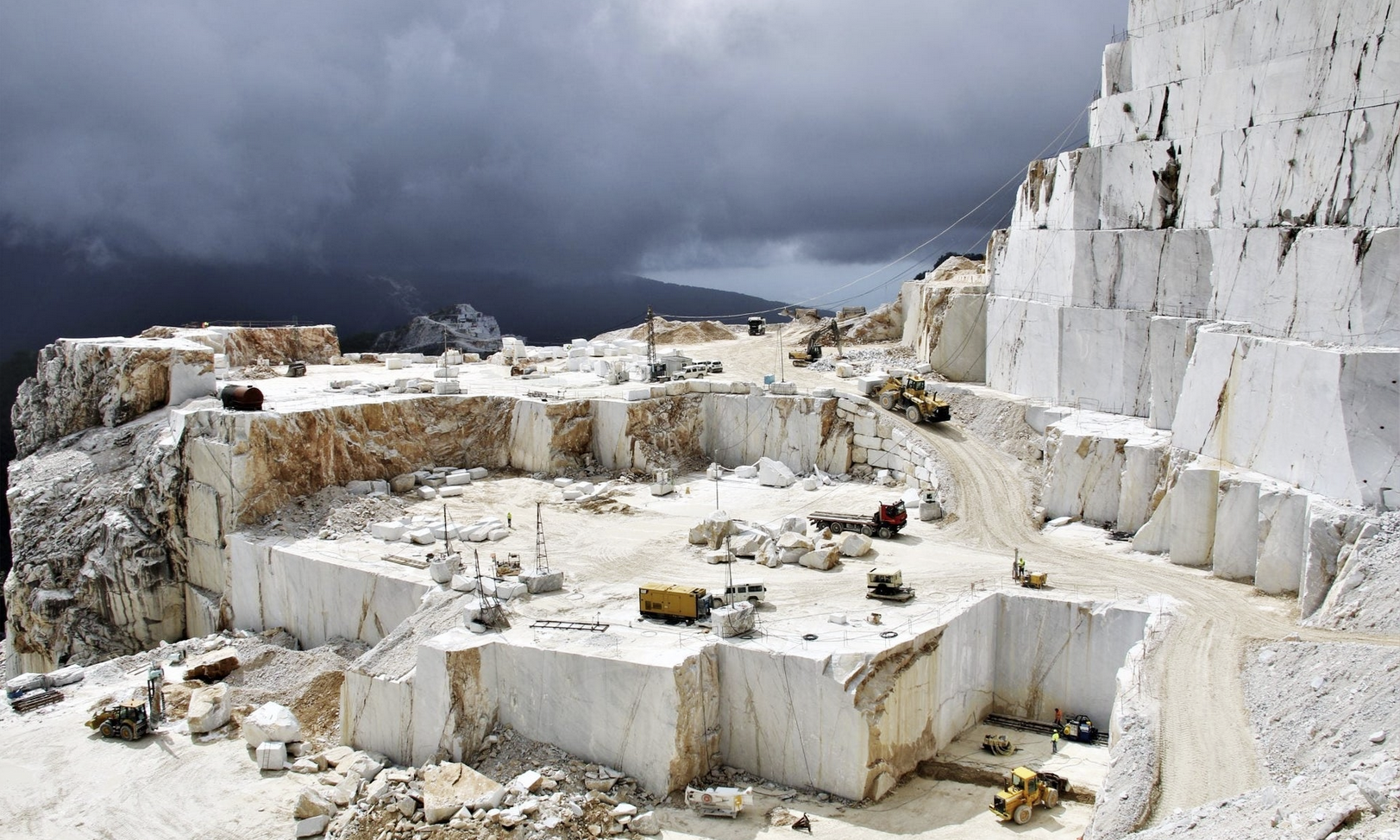
QUARRY & ORIGIN
Material selection includes the origin of the stone. Quarries are chosen based on consistency, traceability and the ability to supply material over time. Extraction conditions and logistics are considered in relation to the project. Where relevant, sourcing is aligned with location, availability and transport efficiency.
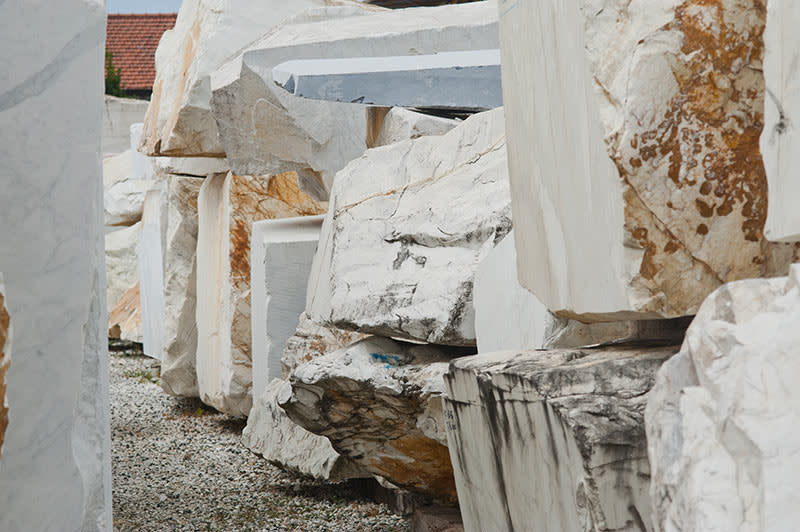
MATERIAL & LONGEVITY
Natural stone is selected for its permanence.
It retains its structural and surface qualities over extended periods and continues to perform without replacement. Surfaces develop patina rather than loss of quality, allowing the material to remain consistent within the architecture.
This makes it suitable for applications where long-term stability is required.
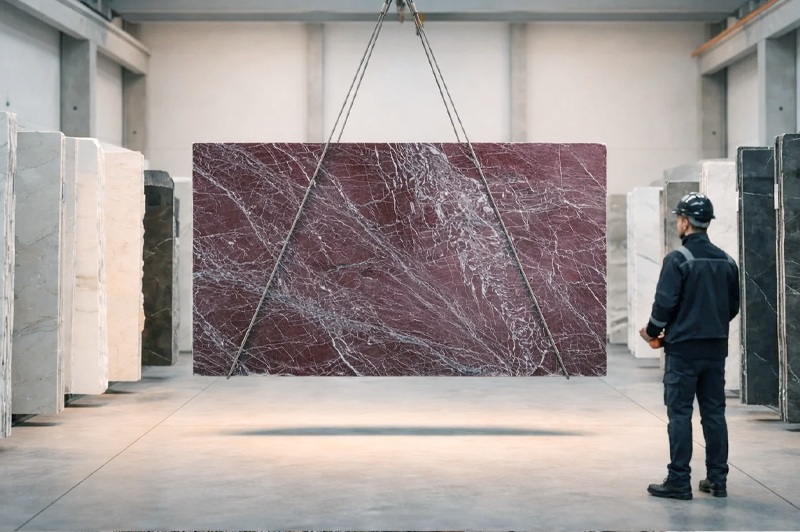
TRANSFORMATION & ENERGY
Extraction, cutting and finishing define the production process, without high-temperature manufacturing or chemical modification.
Compared to many industrial materials, this results in lower embodied energy. The material contributes to stable interior conditions through its thermal mass, absorbing and releasing heat in relation to the surrounding environment.
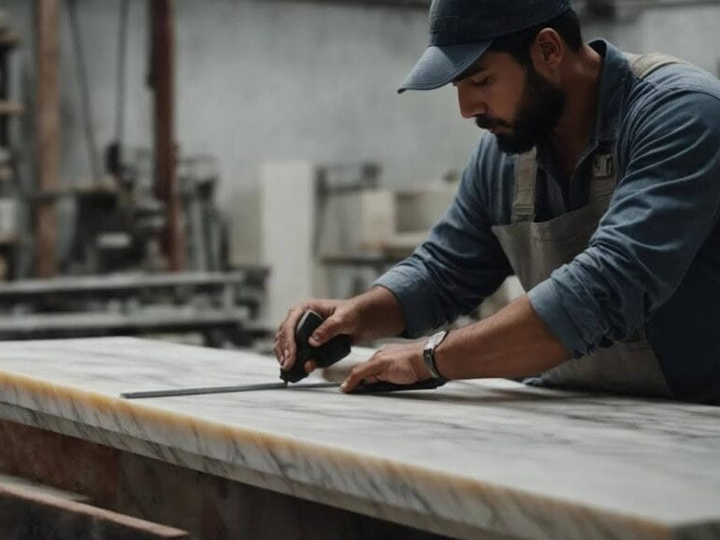
PROCESSING
Processing is defined to material use and performance. Fabrication is planned to optimise the use of each block or slab, reducing waste and maintaining continuity across surfaces.
Finishes are selected based on durability, use and interaction with the environment.
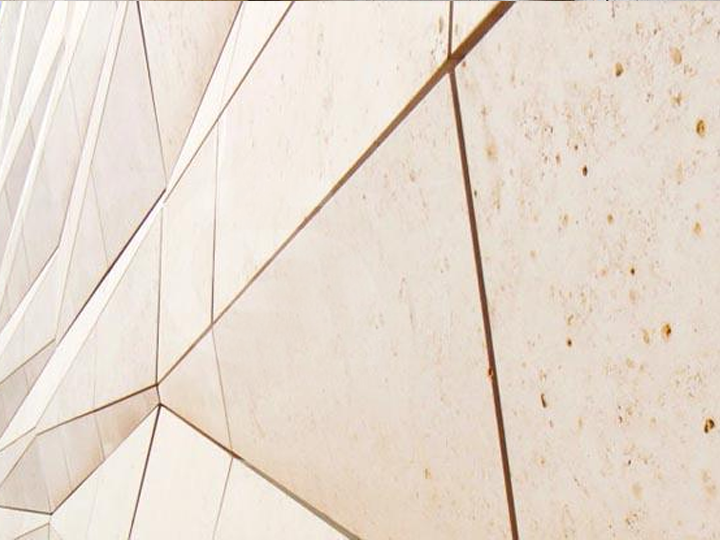
APPLICATION
Performance is determined by how the material is applied.
Stone is specified in relation to use conditions including interior, exterior, wet areas and high-traffic zones ensuring long-term stability within the project.
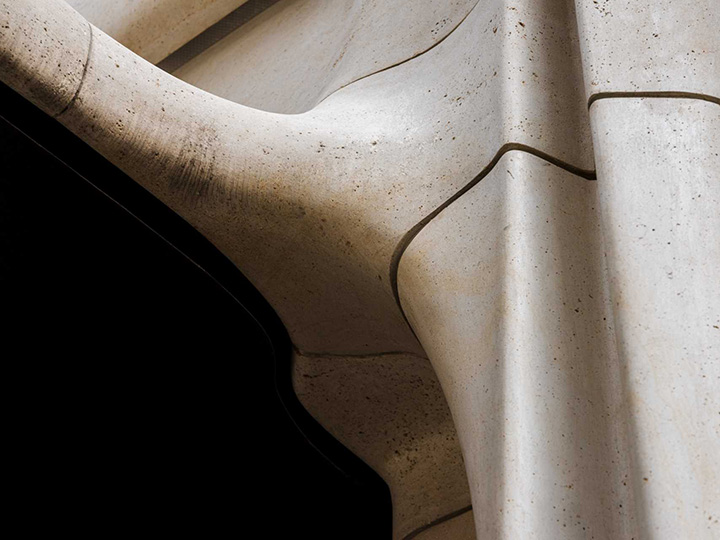
CONTINUITY
Natural stone allows for long-term continuity.
Elements can be reworked, refinished or repositioned without losing material integrity, allowing the material to remain in use beyond its initial configuration.
Material selection and specification can be developed in relation to project-specific sustainability requirements from early design stages.